


For readers on the other side of the Atlantic:
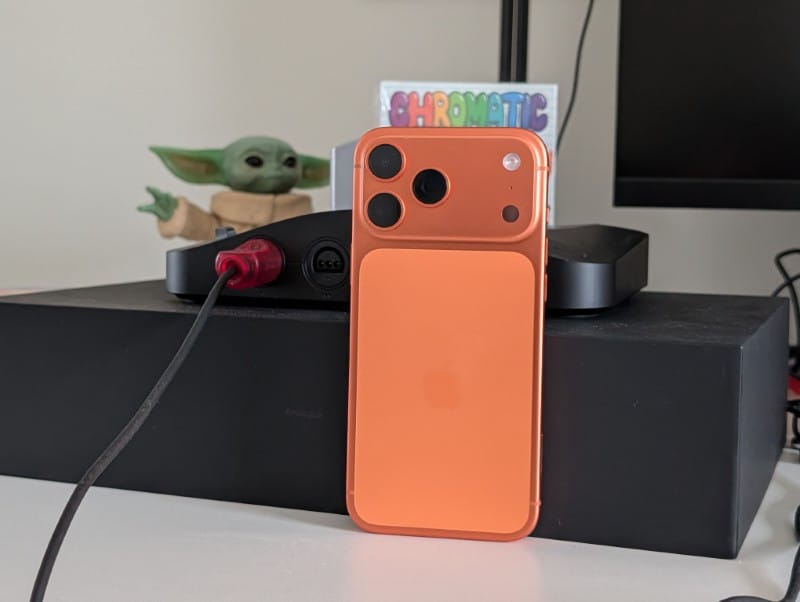
In an interesting move, Major League Soccer (MLS) has integrated four iPhone 17 Pro units into the main video broadcast feed of the 2025 MLS Cup final, the match between Inter Miami and Vancouver Whitecaps.
Until now, smartphones were used in broadcasts only in auxiliary roles, behind-the-scenes shots, backup or opportunistic cameras. MLS is now taking a step forward: the iPhones are not backups, but part of the official video capture plan, integrated into the structure of over 30 cameras used at a professional level.
This decision marks a unique moment: a phone is being treated as a broadcast-grade tool, robust and reliable enough to handle the demands of a LIVE transmission, which reflects how far the photo-video side of smartphones has evolved.
MLS will place the four iPhones in key positions: one as a high end-zone camera behind the goal, one in the fan area for POV-fan shots, and two mobile units for capturing reactions from supporters or coaches.
Each phone sends its video signal directly into the system, just like a traditional professional camera. When the iPhone feed is used, a small “Shot on iPhone” tag appears on screen.
Stabilization technology, ProRes, and the low-latency wireless transmission system allow the delivered image to match that of traditional cameras, without obvious quality differences.
Thanks to their small size and flexible mounting options, iPhones can provide angles or positions that are hard to achieve with bulky cameras, giving producers new capture tools.
For MLS, this experiment demonstrates that smartphones can become genuine professional broadcast tools, not just consumer gadgets. If it performs as expected, other TV operators or sports leagues could adopt the solution, which could reduce costs, increase production flexibility, and open the door to more creative or immersive shots.
For Apple, it’s confirmation that the iPhone 17 Pro is not just an everyday phone, but a tool that can compete with or even replace professional equipment in demanding contexts, turning “Shot on iPhone” from marketing into technical reality. The smartphone becomes a credible tool for high-end video productions, adding flexibility. Although they will not replace professional cameras, phones can play an important role in complementing the production by offering unusual angles and creative opportunities.
